

PCES Automotive PCBA: Precision Manufacturing for Demanding Vehicle Applications
Automotive electronics must keep working long after a circuit board leaves the production line. Heat, vibration, humidity and electrical disturbances challenge every connection. For vehicle tracking, control electronics and electric mobility applications, dependable performance begins with engineering decisions and disciplined manufacturing. P&C Enterprise Solutions (PCES), a Vietnam-based OEM/ODM and electronics manufacturing partner, brings together design support, precision assembly, inspection, testing and protective coating to address these challenges.
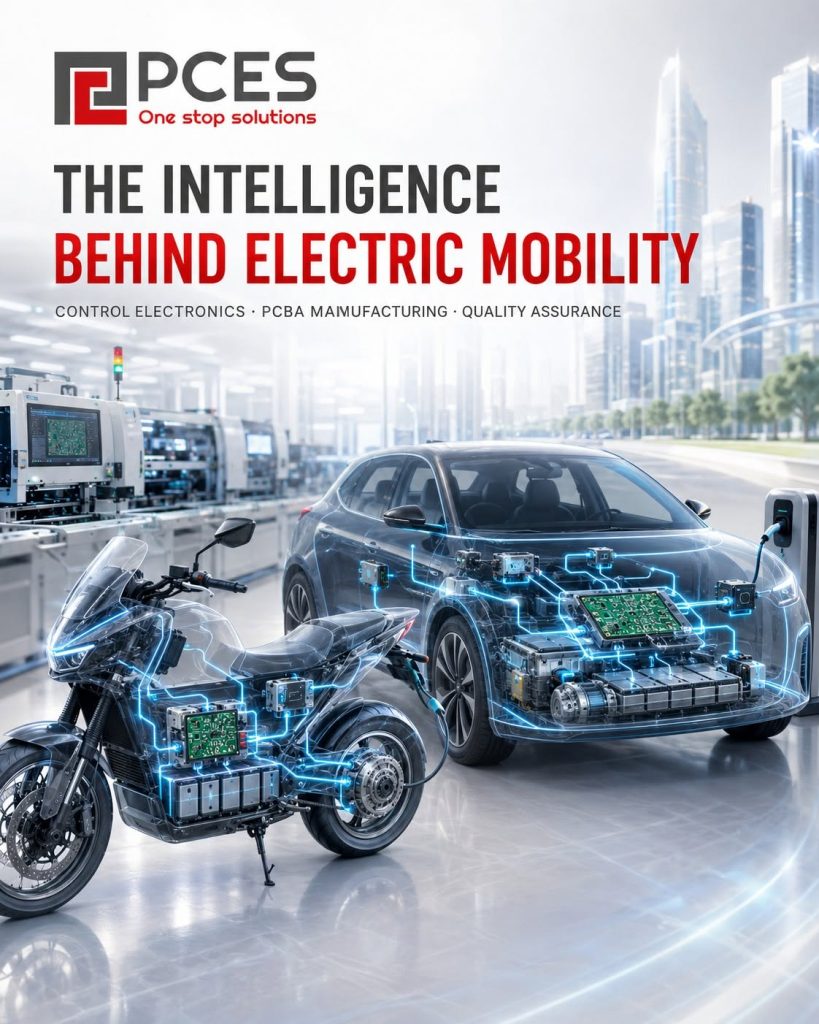
PCES’s integrated design services cover electronics design, functional testing and reliability engineering. This breadth provides a practical basis for discussing component selection, test access, thermal constraints and enclosure interfaces before production. For automotive projects, requirements and acceptance criteria should be agreed at the outset, including any environmental, EMC or safety-related validation.
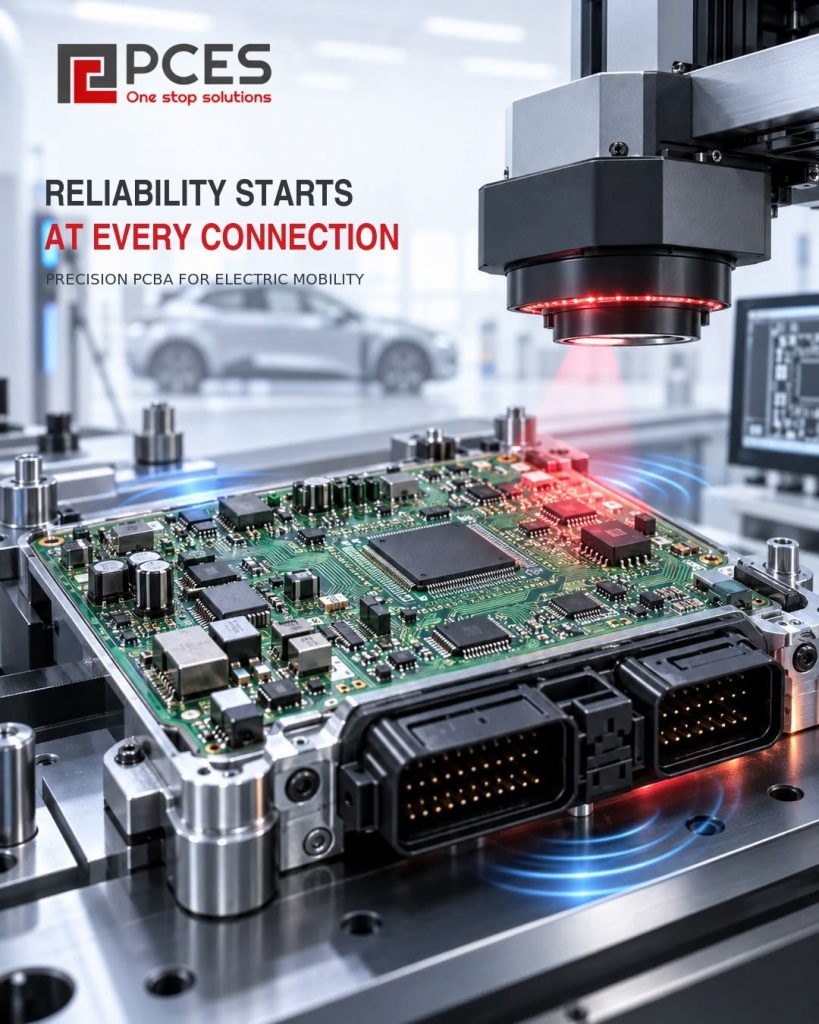
Repeatability is equally important. Small variations in solder deposition, placement or reflow can undermine assembly quality. PCES’s published capabilities combine Yamaha full-line SMT with multiple inspection stages. Its inspection equipment includes Yamaha YSi-SP 3D solder paste inspection, Yamaha YSi-V 3D automated optical inspection and TechValley Arirang1000 X-ray inspection.
These methods provide complementary views of assembly quality: SPI evaluates solder paste deposits; AOI examines visible component and solder features; X-ray enables examination of otherwise obscured interconnections. Their engineering value lies in detecting different defect types and informing process corrections.
Protection after assembly is another strength. PCES offers automated conformal coating and potting, including an Axxon AC500D coating line. Depending on the approved material and application process, these services can help protect assemblies exposed to moisture or contamination. Coating thickness, curing, cleanliness and connector keep-out areas require control; environmental qualification must confirm that the finished assembly meets its intended conditions.
Automotive readiness also depends on documented quality planning. AIAG’s Core Tools encompass APQP, control plans, FMEA, MSA, SPC and PPAP, linking risk analysis, process control and production approval. These are customer-program requirements to establish explicitly, alongside applicable workmanship standards and validation evidence.
Through its “One stop solutions” approach, PCES connects engineering, assembly, inspection, testing and protection within one manufacturing partnership. For automotive customers, that combination offers a clear starting point for developing a controlled, verifiable production route. Contact PCES to discuss your board design, operating environment and qualification requirements.
Meet us at ELECTRONICA 2026. Booth #265 Space #A1
November 10-13, 2026 | Trade Fair Center Messe München
Am Messesee 2, 81829 Munich, Germany