
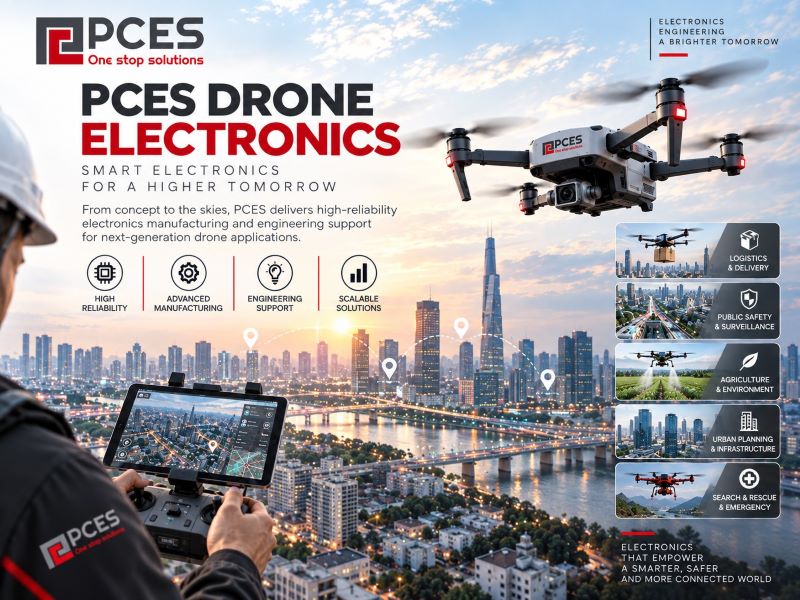
PCES Drone Electronics PCBA: From Engineering Ideas to Reliable Flight
Drones are becoming practical tools for a more connected world. Their expanding applications span logistics and medical deliveries, search and rescue, crop monitoring and precision agriculture, infrastructure inspection, and defense reconnaissance. Looking ahead, advances in autonomy and connectivity could extend their reach further, helping organizations access difficult terrain, gather timely information and perform tasks with less human exposure to hazardous environments.
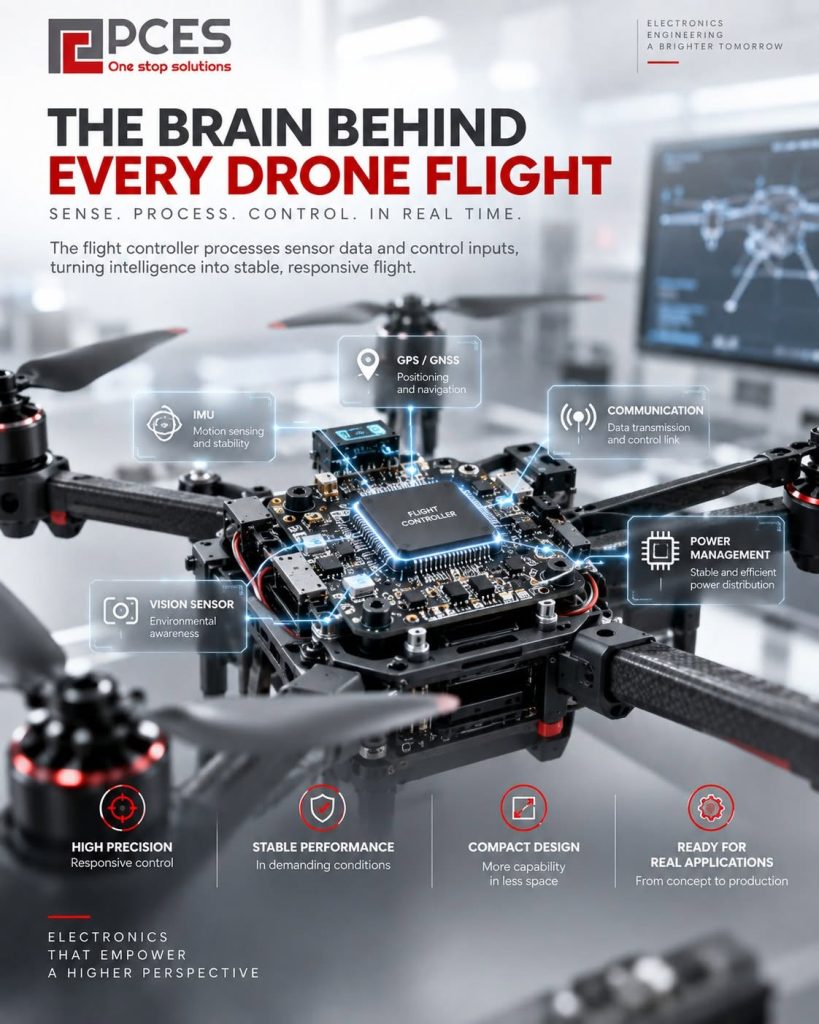
Behind these possibilities is a demanding electronics challenge. A drone’s flight-control board must process sensor data, coordinate control signals and communicate reliably within tight limits on size, weight and power consumption. Vibration, changing temperatures, electrical noise and limited cooling complicate the task. As functions become more integrated, precise assembly, dependable connections and consistent manufacturing quality become essential to translating a promising design into a dependable product.
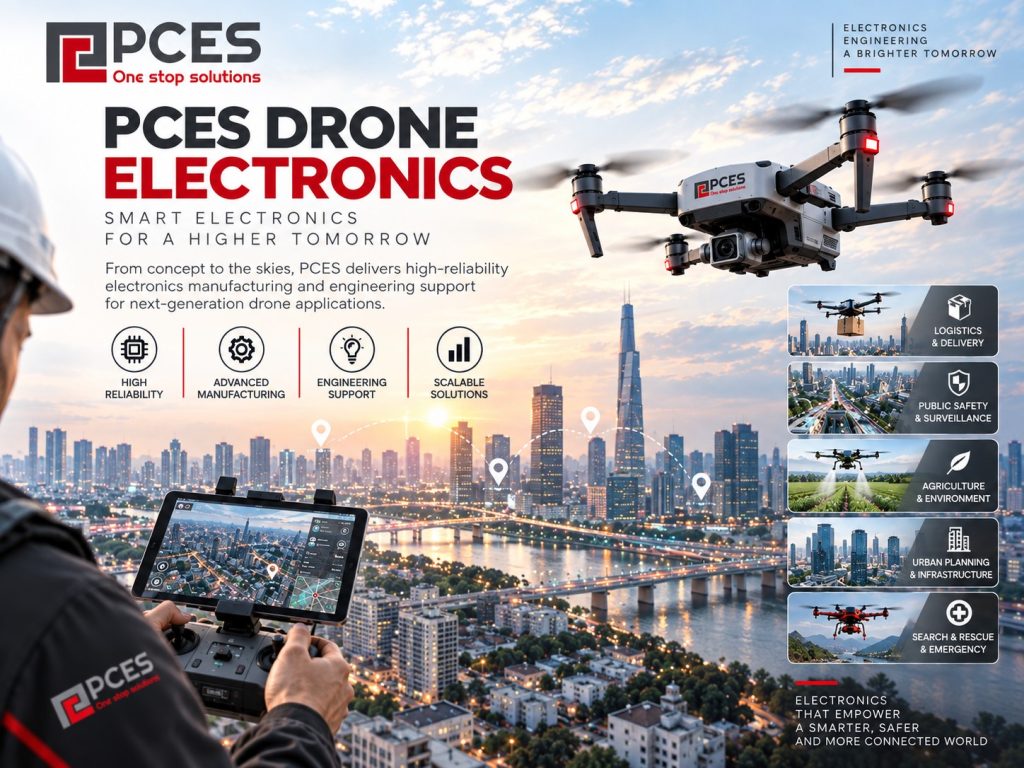
P&C Enterprise Solutions (PCES) brings together design and manufacturing capabilities that can support this development journey. Its integrated services encompass electronics, hardware, firmware, mechanical considerations, prototyping and reliability engineering. For drone developers, this creates an opportunity to align performance targets with practical manufacturing requirements early, reviewing component choices, thermal behavior, assembly constraints and access for testing before committing to production.
That partnership can continue through design refinement, debugging, engineering samples and pilot builds. PCES’s customization and engineering support provide a basis for helping customers evaluate revisions and resolve issues identified during development. After production begins, defect analysis, customer feedback and technical support can inform further R&D, component alternatives and controlled hardware or firmware updates. The scope of this continuing collaboration can be tailored to each project.
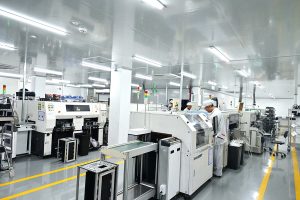
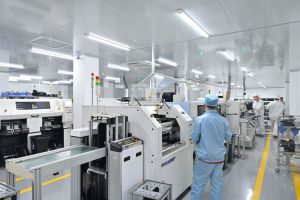
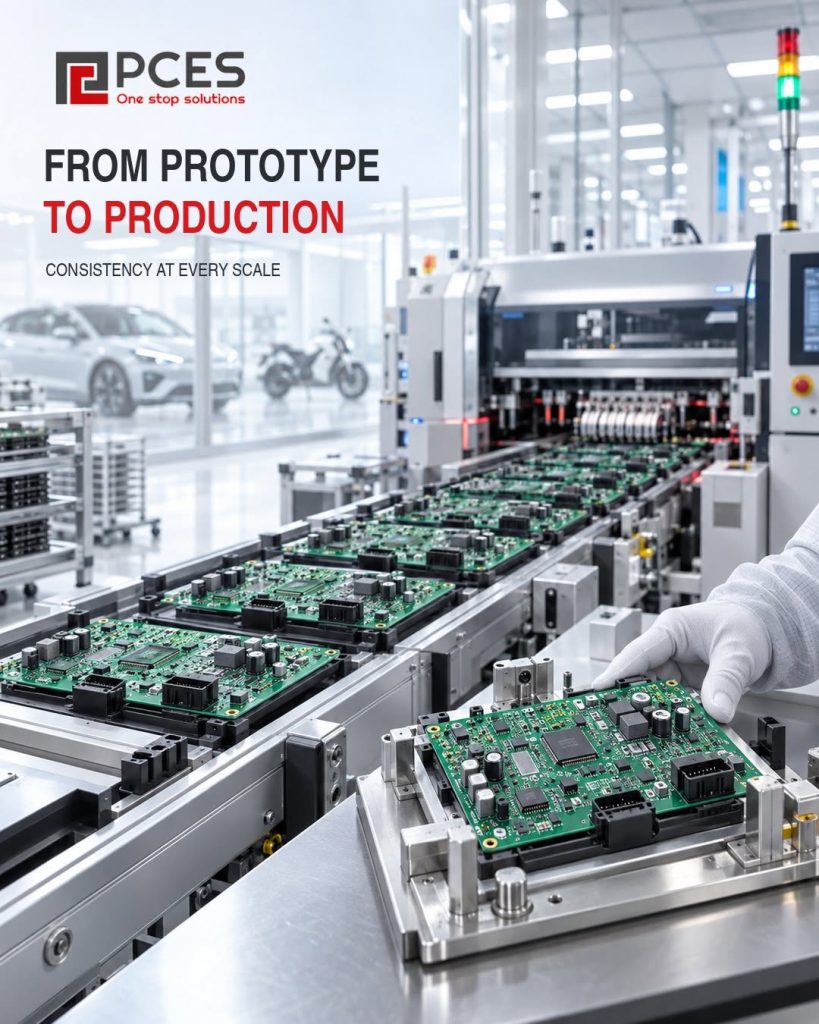
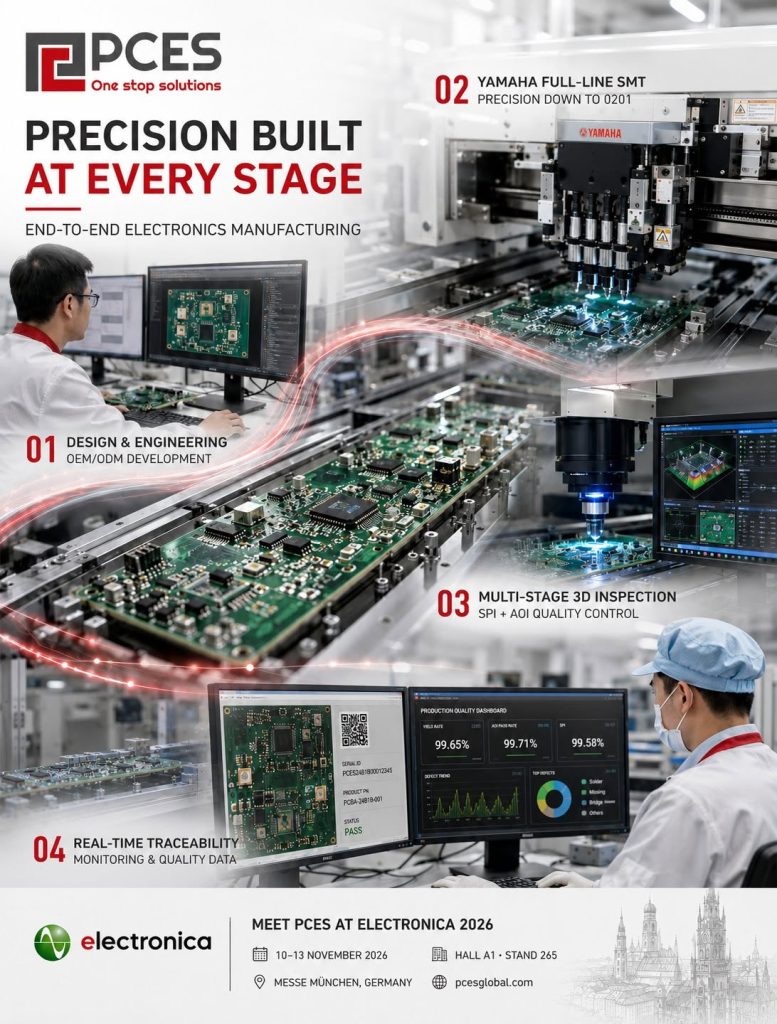
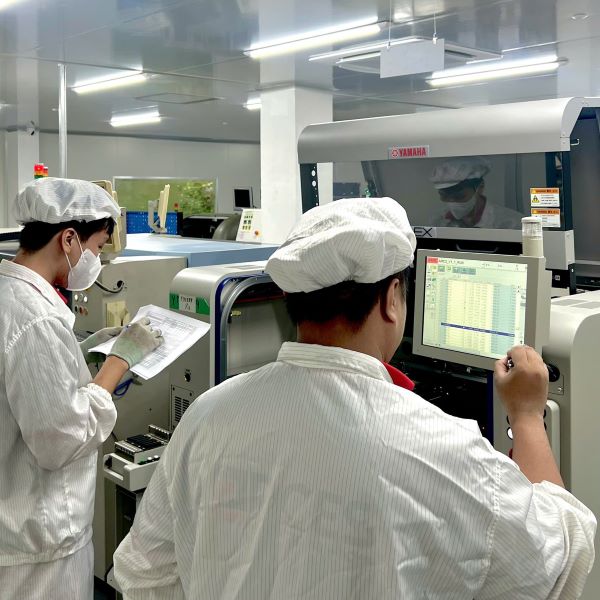
PCES’s “One stop solutions” approach connects the core stages of electronics production: PCB assembly, inspection, electrical testing, protective coating where required, and product integration. Cable assemblies and customized enclosures extend that support beyond the board itself. This coordinated approach helps customers manage the transition from prototypes to repeatable production while keeping engineering and manufacturing teams closely connected.
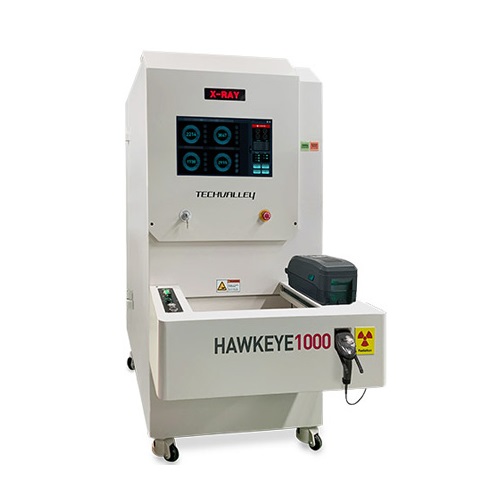
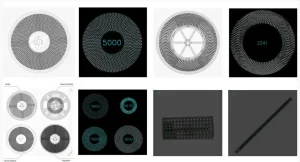
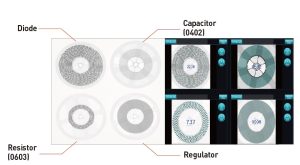
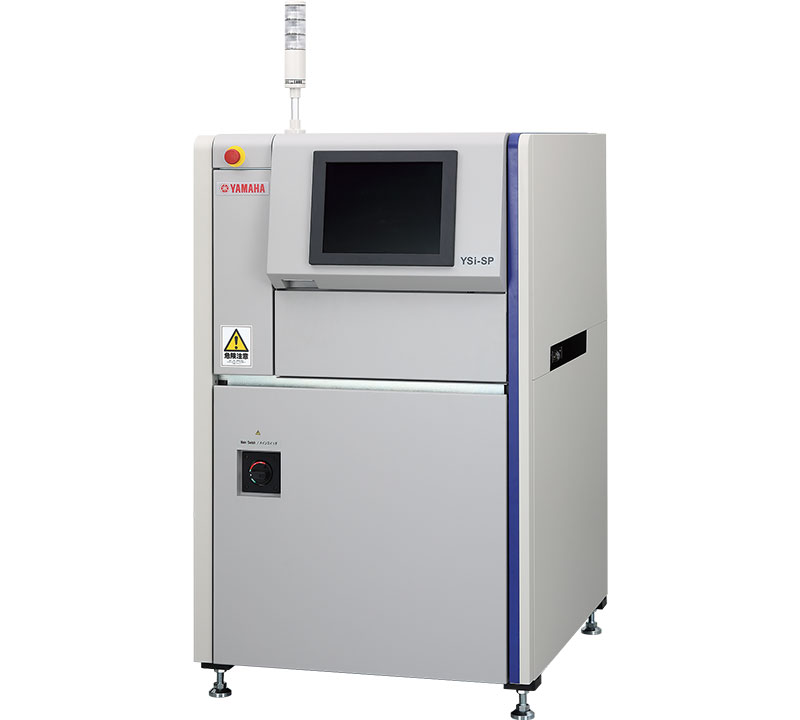
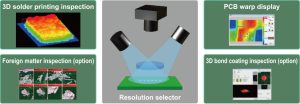
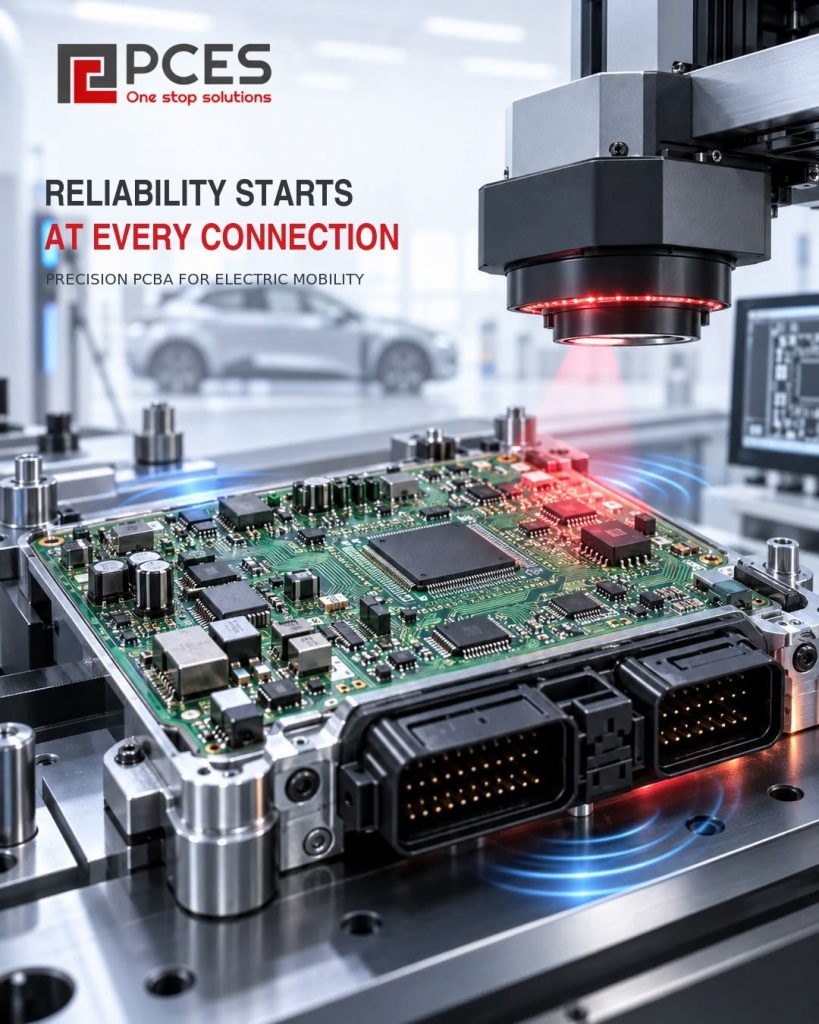
Quality is built through successive checkpoints. Solder paste inspection checks deposition before assembly progresses; automated optical inspection examines visible placement and solder features; X-ray inspection supports evaluation of hidden interconnections. In-circuit and functional testing add electrical verification, while customized fixtures, programming and automated testing support consistent execution. PCES also tracks and analyzes defects for continuous improvement. Its supplied materials describe real-time production monitoring and traceability, supporting visibility across the manufacturing journey.
Standards provide a common language for defining that quality. IPC J-STD-001 addresses soldered assembly processes and requirements, while IPC-A-610 defines assembly acceptability criteria. The applicable revision and product class should be agreed according to the drone’s intended use and reliability needs. Where required by the aircraft program, RTCA DO-160 provides environmental and electromagnetic test procedures for airborne equipment.
There is no single universal certification for every drone control board. Requirements depend on the application, operating environment, customer specification and market. PCES’s engineering and manufacturing capabilities provide a practical foundation for developing an agreed production and verification plan, with any specialized qualification activities defined separately.
For innovators building the next generation of unmanned systems, a responsive manufacturing partner can make development more manageable. PCES combines engineering collaboration, prototype support, integrated production and quality feedback to help customers advance their products with confidence. Bring your drone electronics project to PCES, and explore how “One stop solutions” can support its next stage of development.
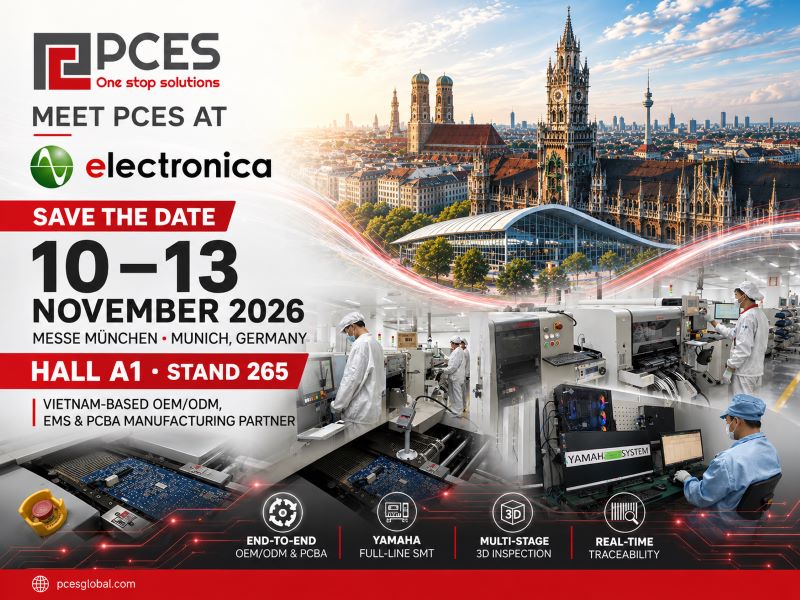
Meet us at ELECTRONICA 2026. Booth #265 Space #A1
November 10-13, 2026 | Trade Fair Center Messe München
Am Messesee 2, 81829 Munich, Germany




 1. Solder Paste Printing